

WORLD USABILITY DAY, November 12, 2026
Designing a Sustainable
Future with Ethical Al
The World Usability Day 2026 will take place on November 12, 2026, in the Campussaal of FHNW in Brugg-Windisch – an inspiring venue for exchange, fresh perspectives, and meaningful encounters.
Under the global theme “Designing a Sustainable Future with Ethical AI,” we explore how artificial intelligence and human-centered design can work together to create technologies that support a more sustainable and equitable future. The focus lies on ethical principles, human values, and responsible innovation — addressing global challenges such as climate change and digital inequality while fostering trust, cultural diversity, and long-term well-being.
The event is organized by UX Switzerland, the professional association and network for UX professionals in Switzerland, bringing together experts from across the country for a day of inspiration, exchange, and new ideas.
Program
Get an overview about your day at the World Usability Day 2026.
🎉Welcome to World Usability Day 2026! 🎉
We’re so glad you’re here. Please head to the registration desk at the bottom of the stairs leading to the Campus Hall to get started on your World Usability Day 2026. Dive into the world of usability and experience a day full of exciting insights and interactive opportunities. Enjoy World Usability Day and let the many new ideas inspire you!

Welcome!
The event will begin with a welcome address to the participants. Afterward, Prof. Dr. Javier Bargas-Avila, President of UX Switzerland will say a few words and provide insights into UX Switzerland’s current projects and goals.
ROOM: Campussaal – Main Stage
Join us on the main stage for an interactive community sketching session! Share your ideas, and draw together with fellow participants. No drawing skills needed – Roland will you help out with that! Just curiosity, creativity, and a willingness to collaborate.
ROOM: Campussaal – Main Stage
KI-Assistenten lernen mit uns, kennen unseren Kontext und agieren in unserem Namen. Die Maschine handelt, der Mensch setzt die Grenzen. Doch wer den Assistenten bezahlt, bestimmt seine Loyalität, und wer
sein Gedächtnis besitzt, hat uns in der Hand.
Die Defaults des nächsten Jahrzehnts werden jetzt gesetzt, bevor unser Second Brain im Plattform-Lock-in erstarrt.
Dieser Talk skizziert eines, das uns gehört. Du erfährst, wie sich User-Interaktion verändert und mit welchen Prinzipien du in deinen eigenen Produkten den Weg dorthin mitgestaltest.🇬🇧 On demand also in english available
Peter Beck, „Pit“ ist Mitgründer von DasScrumTeam AG, Scrum-Trainer und Experte für agile Organisationsentwicklung. Seit 2004 unterstützt er Unternehmen dabei, mit Scrum und agilen Prinzipien nachhaltigen Mehrwert zu schaffen. Zudem ist er Mitentwickler des AME3-Frameworks, das Unternehmen bei der strategischen Weiterentwicklung unterstützt.
ROOM: Campussaal – Main Stage

Discover a variety of student projects presented by students from different universities. Get inspired by fresh perspectives, creative ideas, and innovative approaches to design and user experience.
ROOM: Campussaal – Main Stage
Responsible Al (RAI) principles often remain disconnected from daily product work. This hands-on workshop aims to change that. We argue to treat RAl as a set of non-functional requirements across the Al lifecycle. Therefore, participants work through concrete cases to to identify risks and operationalize RAl principles such as fairness, accountability, safety, and human agency.
Facilitated discussions address questions of human-Al collaboration, such as system autonomy, feedback mechanisms, and user control. Both give participants a structured approach for applying RAI in their projects.Anika Hannemann is the Head of Research and Ivo Ruckstuhl is the Managing Director at the Swiss Centre for Responsible AI (SCRAI), a non-profit organisation that supports companies and organisations in building better, more responsible AI systems.
Ivo Ruckstuhl is the Managing Director of the Swiss Centre for Responsible AI (SCRAI), a non-profit organisation that supports companies and organisations in building better, more responsible Al systems. He is an expert in strategy, innovation, and transformation with a background in consulting, startups, and tech. His focus is on making research and academic rigor available for organizations to create business value with Al. Ivo is a guest lecturer at ETH, HSLU, and ZHAW and holds an HTL degree in electronic engineering from HSR/OST and a Global Executive MBA from INSEAD.
Caroline Krasnosselski designs digital health solutions in collaboration with the people who use them. Her focus is on user-centred design and creating digital applications that respond to users’ needs.
RAUM: TBD
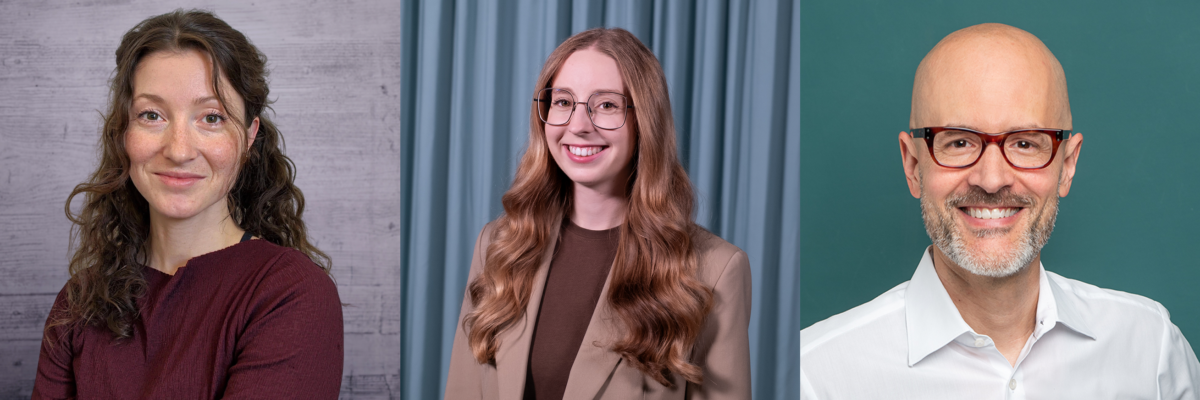
Wir verbringen immer mehr Zeit mit KI-generierten Inhalten. Seien es Texte, Bilder, Screens, Applikationen, Research-Transkripte oder -Auswertungen. Das fordert uns, genau hinzusehen. Vor allem wenn es um unsere eigenen Arbeitsergebnisse geht. Aber das ermüdet auch. Unsere Arbeit wird unter Umständen flacher.
Was können wir tun? Als Einzelperson (Fokus), im Team und als Organisation? Ich zeige Forschungseinblicke und berichte Beispiele. Gemeinsam schauen wir, was ihr bereits tut und euch vielleicht neu oder fester vornehmt.Susanne Schmidt-Rauch ist promovierte Informatikerin und UX-Expertin mit langjähriger Erfahrung in der menschzentrierten Gestaltung digitaler Produkte. Als Partnerin bei evux berät sie Unternehmen zu User Research, Experience Design und digitaler Transformation. Zudem beschäftigt sie sich mit dem Einsatz von KI in UX Research und Design.
RAUM: TBD

AI systems increasingly absorb cognitive work that people once did themselves, potentially weakening skills, judgment, and understanding in ways standard usability methods may miss. This workshop examines which parts of a task should be automated and which are worth keeping with the user. Participants map the cognitive work their product currently removes, identify what users may lose as a result, and redesign one feature to preserve the capabilities that matter over the long run.
Mi Xue Tan is an award-winning communicator with a passion for turning data into insights that drive real impact. With expertise in data science, user experience research, and storytelling, she thrives on making complex information accessible and actionable for diverse audiences.
RAUM: TBD

Connect!
Take a moment to connect with fellow participants, exchange ideas, and get to know each other. This is an opportunity to build new connections, share experiences, and strengthen the World Usability Day community.
AI is changing how UX designers research, generate ideas, and create content. This talk explores how AI can be integrated into the design process ethically and sustainably, with a focus on bias, cultural diversity, transparency, and critical evaluation. It shows how psychological principles, visual design, and clear communication can build trust without manipulation or false confidence. Participants will gain practical guidance for using AI to create trustworthy, inclusive user experiences.
Simone Welter is a UX/UI Designer at Consulteer GmbH, focusing on user-centred design, digital accessibility, and inclusive digital experiences. She advocates for intuitive, accessible technology and explores topics such as dark patterns and ethical design.
ROOM: Campussaal – Main Stage

Lunch
We are pleased to offer lunch to all participants of World Usability Day. Take this opportunity to refuel and connect with your colleagues.
En Guete!
Join us on the main stage for an interactive community sketching session! Share your ideas, and draw together with fellow participants. No drawing skills needed – Roland will you help out with that! Just curiosity, creativity, and a willingness to collaborate.
ROOM: Campussaal – Main Stage
KI verschiebt, was an deinem Produkt besonders ist und was zum Standard wird. Du lernst Wardley Maps kennen und kartierst damit ein Produkt aus deinem Alltag, vom Nutzerbedürfnis bis zur Technik darunter. Gemeinsam markieren wir, wo KI Bausteine zur Massenware macht und wo die Interaktion kippt: vom Klick über das Gespräch zum System, das selbst handelt. Du gehst mit einer Karte deines Produkts, den Stellen, an denen UX Innovation treiben muss, und einer Strategie, die Design, Produkt und Entwicklung teilen. / Wichtig für Anmeldung: Laptop oder iPad mitbringen, wir arbeiten in Miro.
🇬🇧 On demand also in english available
Chris Castrischer gestaltete im Organisations-Komitee während 5 Jahren aktiv die World Usability Day Inhalte, die Kommunikation und den Teilnehmenden-Umfrage-Loop mit. Neu prägt er im World Usability Day Advisory Board das Programm und das Workshop-Angebot. Gelerntes (eindrücklichste WUD-Erfahrungen, WUD-Teilnehmendenfeedbacks, Product Owner Erkenntnisse, …) liebt Christoph mit der UX-Community zu teilen. Gemeinsam mit Pit, freut er sich sehr, den Workshop «Wo KI dein Produkt verändert: Design-Strategie mit Wardley Maps» anzubieten! Auf bald @WUDstock … let us rock’n’UXroll 😉
Peter „Pit“ Beck ist Mitgründer von DasScrumTeam AG, Scrum-Trainer und Experte für agile Organisationsentwicklung. Seit 2004 unterstützt er Unternehmen dabei, mit Scrum und agilen Prinzipien nachhaltigen Mehrwert zu schaffen. Zudem ist er Mitentwickler des AME3-Frameworks, das Unternehmen bei der strategischen Weiterentwicklung unterstützt.
RAUM: TBD

Unpassende Worte sorgen für Frust und kosten Geld. Doch wie können wir KI so einsetzen, dass unser UX Writing wirklich besser wird, statt dass wir nur schneller Content-Müll produzieren? Gutes UX-Writing basiert auf Verständnis: für die Nutzenden, für das Produkt selbst und für das Business dahinter. In diesem Workshop analysieren wir, wie wir unter diesen drei Gesichtspunkten UX Writing strategisch einsetzen können, und prompten gemeinsam praxisnahe Beispiele wie System- und Fehlermeldungen. Du lernst, KI gezielt zu steuern, Ergebnisse kritisch zu hinterfragen und Sprache als wirkungsvolles Designinstrument einzusetzen.
Bitte Laptop, Tablet oder Handy zum Prompten mitbringen; UX-Writing- und KI-Vorkenntnisse sind hingegen keine nötig.
Kira Leuthold ist die Gründerin und Fachleiterin von The Gondola, dem Kompetenzzentrum für UX-Writing im deutschsprachigen Raum. Sie verfügt über mehr als acht Jahre Erfahrung im UX-Writing und über 15 Jahre Berufserfahrung in Kommunikation und Content Strategy. Zudem unterrichtet sie UX-Writing an verschiedenen Schweizer Hochschulen und engagiert sich bei UX Schweiz für die Etablierung des Berufsbildes UX Writing.
Lara Portmann spezialisiert sich auf UX Writing und Content Strategy mit einem Fokus auf klare, zugängliche und inklusive Inhalte. Mit einem Doktortitel in Soziolinguistik und einer Ausbildung in qualitativer Forschung setzt sie sich dafür ein, Menschen zu befähigen, die Wirkung und Möglichkeiten von Sprache selbst zu verstehen und gezielt einzusetzen.
Angela Meyer beschäftigt sich mit UX Writing und der Gestaltung verständlicher, zugänglicher digitaler Inhalte. Mit ihrem Fokus auf Sprache und Nutzererlebnis setzt sie sich dafür ein, komplexe Informationen klar und inklusiv zu vermitteln und digitale Kommunikation für unterschiedliche Zielgruppen zugänglich zu machen.
RAUM: TBD

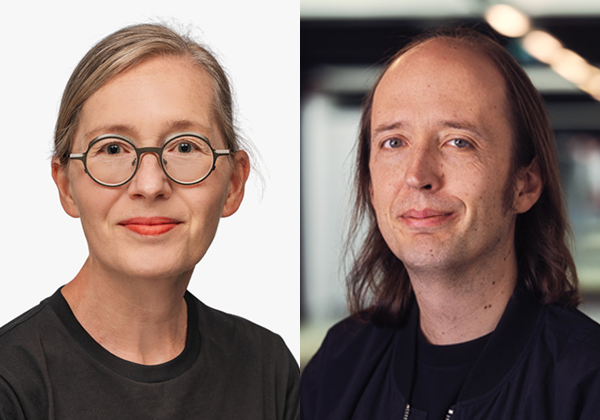
Welche Kompetenzen brauchen UX-Designer:innen künftig, und wie muss die Ausbildung darauf reagieren? Wir laden Arbeitgeber:innen, Dozierende und Studierende ein, gemeinsam zu diskutieren, was die Ausbildung vermitteln muss, damit Absolvent:innen im Team von Beginn an wirksam beitragen und bewährte mit neuer Expertise zu hochwertigen Ergebnissen verbinden können.
Gabriele Fackler ist Designerin, UX-Expertin und Dozentin an der HSLU, mit langjähriger Erfahrung in der Gestaltung digitaler Produkte und interaktiver Systeme. Ihre Schwerpunkte liegen auf User Experience, digitaler Barrierefreiheit und nachhaltiger Innovation. Sie setzt sich für inklusive und menschenzentrierte digitale Erlebnisse ein
Frieder Loch ist Professor für User-Centered Design und Studiengangsleiter Digital Design an der FH OST. Seine Arbeit verbindet Software Engineering mit nutzerzentrierter Gestaltung. Zu seinen Forschungsschwerpunkten gehören barrierefreie und inklusive Systeme, Augmented Reality sowie menschenzentrierte KI.
RAUM: TBD
Discover a variety of student projects presented by students from different universities. Get inspired by fresh perspectives, creative ideas, and innovative approaches to design and user experience.
ROOM: Campussaal – Main Stage
This talk presents Datacraft, a research and creation project by the Media Design Master’s programme and Digital Pool at HEAD – Genève. Exploring the intersection of artistic practice, design research, and technology, Datacraft investigates how machine learning can become more transparent, autonomous, and culturally diverse. The project encourages creators to engage with data collection, selection, and training as creative practices, beyond corporate AI infrastructures. Its online platform, a “creative machine learning cookbook,” offers case studies, tutorials, methodologies, and experimental recipes. Datacraft provides practical tools and critical perspectives to help creators explore AI independently and imagine more ethical futures for generative technologies.
Website: https://datacrafty.ch/
Alexia Mathieu is a UX researcher and design strategist whose work combines insights into human behaviour, culture, and business to explore future possibilities for interactive products and services. She has led design strategies at New Deal Design in San Francisco and developed digital storytelling platforms at Crispin Porter + Bogusky in the US and UK. Since 2017, she has headed the MA Media Design programme at HEAD – Genève. With a multidisciplinary background spanning textile design, material futures, interaction design, and advertising, she currently leads a research project exploring the narrative potential of digital fashion.
ROOM: Campussaal – Main Stage

Connect!
Take a moment to connect with fellow participants, exchange ideas, and get to know each other. This is an opportunity to build new connections, share experiences, and strengthen the World Usability Day community.
Wie gestalten wir digitale Produkte, die auch im Zeitalter der künstlichen Intelligenz für alle zugänglich bleiben? In diesem interaktiven Workshop zeigen wir anhand realer Praxisbeispiele, wie Accessibility und gute User Experience zusammenwirken. Mit Live-Demonstrationen eines Screenreaders machen wir digitale Barrieren erlebbar und zeigen konkrete Verbesserungsmöglichkeiten auf. Ergänzend stellen wir ausgewählte Best Practices vor und untersuchen gemeinsam, wie KI dabei helfen kann, digitale Angebote zugänglicher zu gestalten, digitale Ungleichheit abzubauen und die menschliche Perspektive zu stärken. Designing for Humans First: Accessibility in the Age of AI
🇬🇧 On demand also in english available
How can we ensure digital products remain accessible to everyone in the age of AI? In this interactive workshop, we explore how accessibility and great user experience work together through real-world examples. Live screen reader demonstrations reveal digital barriers and show how thoughtful design can overcome them. We also share selected best practices and explore how AI can help create more accessible digital experiences, reduce digital inequality, and support human-centred design without replacing human judgement.
Andrea Bichsel leitet den Bereich Design Experience bei Raiffeisen Schweiz und beschäftigt sich mit nutzerzentrierter Gestaltung digitaler Produkte. Als Vorstandsmitglied der Allianz Digitale Inklusion Schweiz (ADIS) engagiert sie sich für digitale Barrierefreiheit und inklusive Nutzererlebnisse.
Ina Kuhn engagiert sich bei Raiffeisen Schweiz und in der Allianz Digitale Inklusion Schweiz (ADIS) für digitale Barrierefreiheit und inklusive digitale Erlebnisse. Sie setzt sich dafür ein, Accessibility frühzeitig in den Design- und Entwicklungsprozess zu integrieren und digitale Produkte für möglichst viele Menschen zugänglich zu gestalten.
RAUM: TBD
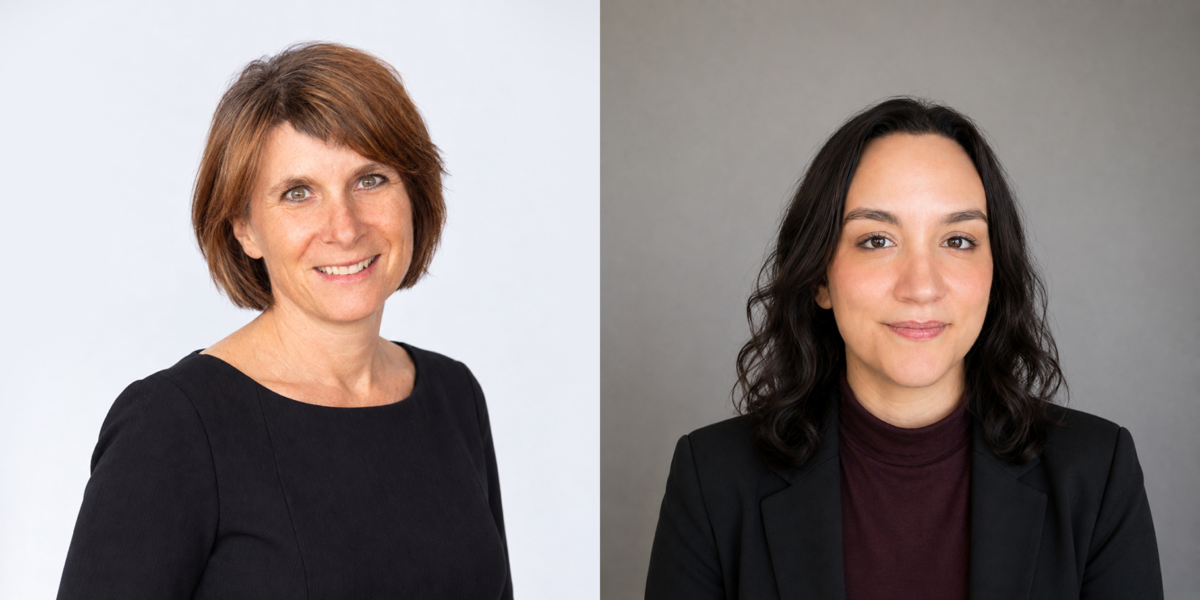
UCD is a strong foundation for designing human-centric products — but sustainable and ethical products need more. At Studio Llama, we collected methods and approaches that extend UCD and brought them together in the Responsible Design framework.
In this workshop, we will provide an overview of the framework, its principles, and methods. We will then split into groups and dive deeper into some principles. Lastly, we will try out some specific methods. Please bring problems you’re currently working on!Studio Llama is a research and design studio from Zurich, Switzerland. We bring psychology and anthropology together and live user experience design that puts people in focus. As a studio, we want to reflect on our discipline and advocate for responsibility in digital design.
RAUM: TBD

How can we design for people while considering the wider impact on our planet and still being financially sustainable? We propose to shift the focus from user-centric to a broader, holistic, planet-centred approach. In this hands-on workshop, you’ll explore a practical Planetary-Centric Design framework, inspired by permaculture and ethical theories. You’ll use the framework to assess a real design project across seven guiding principles and three dimensions—planet, people, and profit—helping you anticipate the consequences of design decisions and make more responsible choices.
Gabriela L. Lorenz is a UX Designer Director and MBA in Sustainable Business. Over a 15-year career, she has honed her skills in various sectors, leading international and remote teams to enhance digital product design. Gabriela is known for her dedication to mentoring with a focus on gender inclusivity.
She writes for diverse media publications advocating for an ethical and sustainable shift in design practices. As a mentor, she guides designers toward creating innovative and socially responsible products.
Gabriela’s professional ethos is grounded in promoting a humanity-centric approach to design, aiming to create technology that aligns with ethical standards and supports holistic well-being.Regenerative Design https://regenerative-design.earth
RAUM: TBD

The kids take main stage!
The kids of the WUD4Kids take the main stage to share the highlights and results of their day with the World Usability Day participants.
ROOM: Campussaal – Main Stage
How can we build Al systems that are trustworthy, safe, and aligned with human goals?
This talk argues for embedding Responsible Al as a set of non-functional requirements across the Al lifecycle, turning principles like transparency into concrete design decisions. Furthermore, we explore the impact of introducing powerful Al capabilities into organisations and workflows. As human-Al interaction evolves into collaboration, UX and design professionals need to expand their skill set to encompass job design, delegation, decision-making, and organizational thinking.Ivo Ruckstuhl is the Managing Director of the Swiss Centre for Responsible AI (SCRAI), a non-profit organisation that supports companies and organisations in building better, more responsible Al systems. He is an expert in strategy, innovation, and transformation with a background in consulting, startups, and tech. His focus is on making research and academic rigor available for organizations to create business value with Al. Ivo is a guest lecturer at ETH, HSLU, and ZHAW and holds an HTL degree in electronic engineering from HSR/OST and a Global Executive MBA from INSEAD.
ROOM: Campussaal – Main Stage

Join us on the main stage for an interactive community sketching session! Share your ideas, and draw together with fellow participants. No drawing skills needed – Roland will you help out with that! Just curiosity, creativity, and a willingness to collaborate.
ROOM: Campussaal – Main Stage
Closing the main event
The event will end with a few closing words by Prof. Dr. Javier Bargas-Avila, President of UX Switzerland.
ROOM: Campussaal – Main Stage
Invitation to the apero
We look forward to wrapping up the day with you at a relaxed apero. Take this opportunity to continue chatting and make new connections in a casual atmosphere.


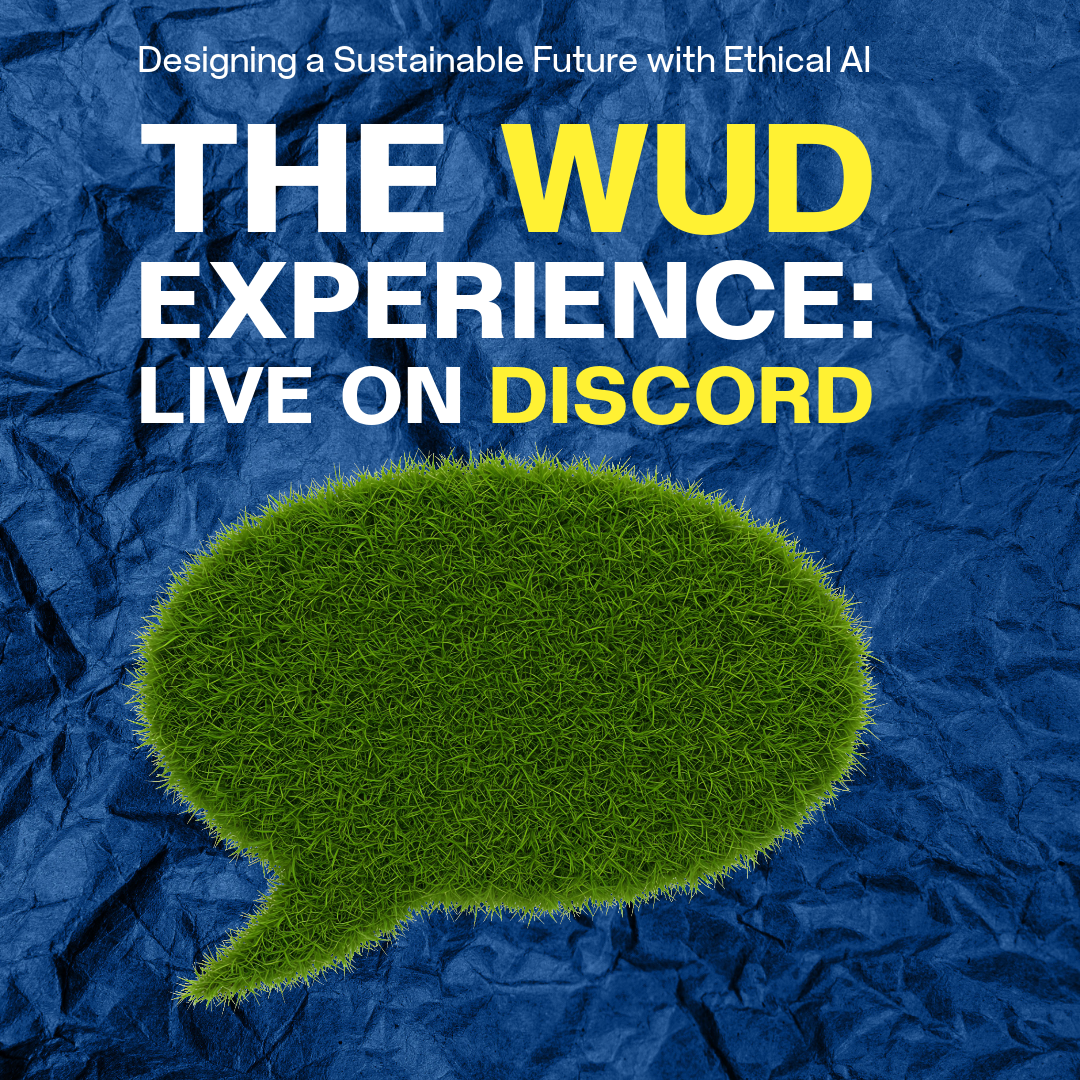
What can you expect on the WUD Discord?
⭐ Updates: Never miss any news again—on the WUD Discord, you’ll always be the first to know.
⭐ Networking: Connect with like-minded people and make new contacts in our community.
⭐ Interactive Participation: During the talks, submit questions in the designated channels and interact directly with the speakers and other participants.
How to join our Discord server:
➡️ Download the Discord app: Make sure you install the Discord app on your device
(mobile, tablet, laptop, PC).
You can download the Discord app here
➡️ Set up an account: If you don’t have one yet, please set up a free Discord account to gain access to the server.
➡️ Join early: Connect in time, so you can follow the entire program and not miss a thing. You can also start chatting on our discord server even before WUD begins.
Sponsors of the WUD 2026
We are deeply grateful to our sponsors for making this year’s World Usability Day possible. Their support, partnership, and dedication plays a vital role in bringing our community together and creating a successful event.
Champion
Supporter

Explorer


Corporate and education members of UX Switzerland
These organizations support UX Switzerland as members and take part at the WUD.


